Scaling a Men’s Footwear Business with Strategic Wholesale Planning
Over the past decade, the global footwear sector has undergone significant transformation. Men’s fashion, once seen as relatively simple, has developed into a vibrant and highly competitive space. From everyday sneakers and performance footwear to polished dress shoes and seasonal boots, today’s customers expect a balance of aesthetics and practicality. For business owners and retailers, this evolution creates both exciting opportunities and increased competition.
To thrive in this modern landscape, simply offering products is no longer sufficient. Retailers must implement effective wholesale men shoes management strategies that enhance sourcing, inventory control, pricing models, and overall customer experience. This is where dependable wholesale platforms like FashionTIY become valuable, providing scalable solutions for businesses aiming for efficient growth.
In this guide, we’ll break down how to expand a men’s shoe business through strategic bulk sourcing, intelligent inventory practices, and diversified product selections. We’ll also highlight how adding complementary product categories can boost revenue and improve customer loyalty.
Understanding the Men’s Footwear Market
Consumer Trends and Preferences
Modern male consumers are increasingly style-aware. They are no longer confined to basic footwear choices like black or brown shoes. Instead, they look for:
Versatile sneakers for everyday use
Trendy loafers for smart-casual occasions
Durable boots for colder seasons
Comfortable slippers for home use
This shift opens the door for retailers to broaden their offerings and appeal to a wider audience.
The Importance of Wholesale Sourcing
Purchasing shoes in bulk plays a crucial role in maintaining competitive pricing and ensuring steady inventory levels. Wholesale buying enables businesses to:
Lower cost per unit
Improve profit margins
Keep products consistently available
Respond quickly to changing trends
Platforms such as FashionTIY streamline the sourcing process by offering diverse selections at competitive rates, making scaling easier for retailers.
Building a Strong Product Mix
Essential Categories for Men’s Shoe Stores
A well-rounded store should include a balanced combination of key product types:
1. Casual and Everyday Shoes
Sneakers, loafers, and slip-ons are daily essentials. Investing in men shoes in bulk ensures consistent availability of popular designs.
2. Athletic Footwear
With the rise of fitness culture, stocking wholesale running shoes helps capture this growing demand.
3. Formal Shoes
Classic dress shoes remain necessary for professional and formal settings, helping build trust and credibility.
4. Seasonal Footwear
Boots and sandals allow you to adapt to seasonal demand, ensuring steady sales throughout the year.
Expanding Beyond Men’s Footwear
The Power of Diversification
While men’s shoes may be your core focus, branching into related categories can significantly increase sales. Many customers prefer shopping for multiple needs in one place.
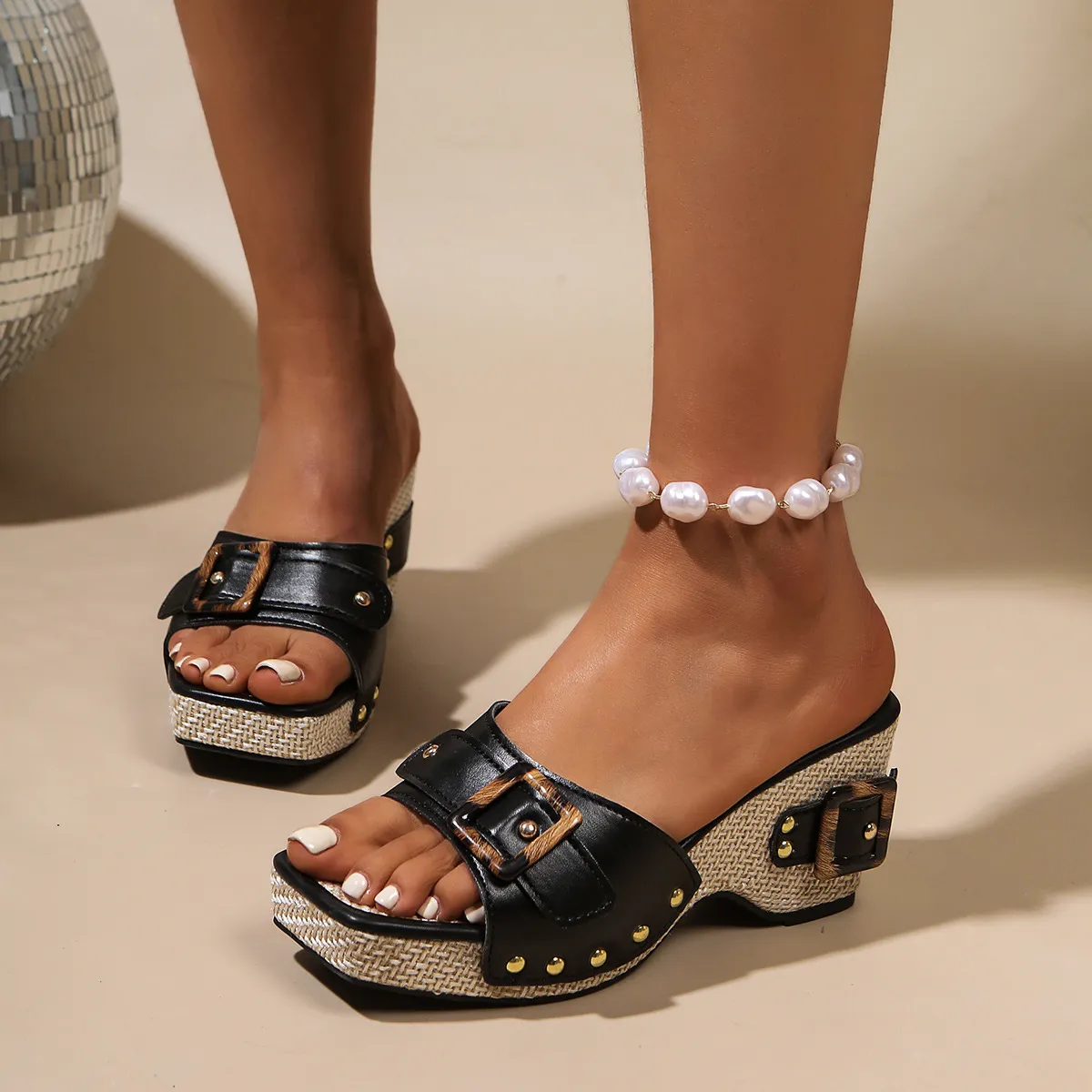
Women’s Footwear Opportunities
Adding items such as:
can transform your store into a more comprehensive shopping destination.
Fashion-forward options like:
help attract trend-conscious buyers.
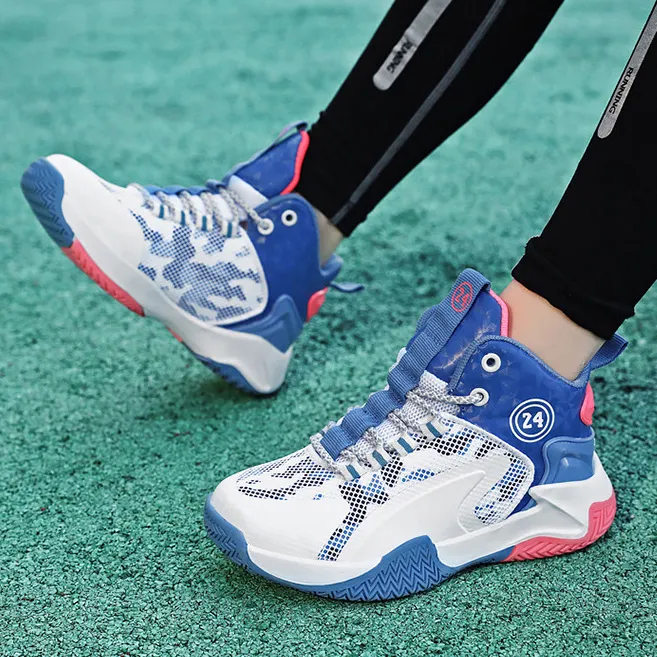
Children’s Footwear
Convenience is key for families. Including:
can increase order value and encourage repeat purchases.
Effective Inventory Management
Why Inventory Matters
Inventory management is critical to retail success. Poor handling can result in:
Excess stock and tied-up capital
Missed sales due to shortages
Disorganized storage systems
Best Practices to Follow
1. Demand Forecasting
Use sales data to anticipate trends and plan purchases accordingly.
2. Seasonal Preparation
Stock seasonal items like boots or sandals ahead of peak demand periods.
3. Product Turnover
Introduce fresh styles regularly while discounting slow-moving inventory.
4. Bulk Purchasing Efficiency
Working with suppliers like FashionTIY for shoes in bulk ensures cost savings and supply consistency.
Improving Customer Experience
Creating a Smooth Shopping Process
Today’s customers value convenience and personalization. To stand out:
Provide detailed product descriptions
Include accurate size guides
Offer fast and reliable shipping
Product Bundling Strategies
Increase average order value by bundling items such as:
Shoes + shoe boxes in bulk
Sneakers + accessories
Slippers + homewear
Capitalizing on Comfort and Lifestyle Trends
Growing Demand for Indoor Footwear
Comfort-focused products are becoming increasingly popular, especially with remote work lifestyles. Consider adding:
These items help diversify your catalog and attract new customer segments.
Leveraging E-Commerce for Expansion
Optimizing Your Online Store
To stay competitive online, your store should:
Be mobile-optimized
Load quickly
Offer secure payment methods
SEO Strategy
Using keywords such as:
shoes in bulk
wholesale running shoes
men shoes in bulk
can improve search visibility and drive organic traffic.
Marketing Strategies for Growth
Social Media Promotion
Platforms like Instagram and TikTok are powerful for showcasing products. Focus on:
High-quality visuals
Styling inspiration
Customer reviews
Influencer Partnerships
Collaborating with influencers can increase brand awareness and credibility.
Email Marketing
Keep your audience engaged with:
Promotions
New product launches
Exclusive deals
Pricing for Profitability
Competitive Pricing
Wholesale sourcing allows you to offer attractive prices while maintaining healthy margins.
Tiered Pricing Models
Encourage bulk purchases by offering discounts based on order quantity.
Seasonal Promotions
Use limited-time discounts to clear inventory and attract buyers.
Building Strong Supplier Partnerships
Why Suppliers Matter
Choosing the right supplier ensures:
Reliable product quality
On-time delivery
Competitive pricing
FashionTIY stands out by offering a wide product range, simplifying multi-category sourcing.
Optimizing Logistics and Supply Chain
Shipping Efficiency
Fast and dependable delivery enhances customer satisfaction.
Organized Storage
Efficient inventory organization reduces handling errors and speeds up operations.
Scaling Your Business
Expanding Product Categories
Gradually introduce new lines such as:
Women’s footwear
Children’s shoes
Indoor slippers
Exploring New Sales Channels
Consider selling through:
Online marketplaces
Social media platforms
Wholesale distribution networks
Building a Strong Brand Identity
Establishing Your Brand
Your brand should represent:
Quality
Style
Reliability
Encouraging Customer Loyalty
Retain customers through:
Loyalty programs
Excellent service
Consistent product standards
Case Study: Growth Through Wholesale Strategy
A small retailer began with a limited sneaker collection. By sourcing men shoes in bulk and expanding into women’s and children’s categories, they achieved:
200% revenue growth
Higher customer retention
Lower inventory costs
This highlights the effectiveness of strategic wholesale management.
Future Trends in Men’s Footwear
Sustainability
Eco-friendly materials are becoming a major focus for consumers.
Technology Integration
Innovations like smart footwear and wearable tech may shape the industry.
Customization
Personalized designs are increasingly appealing to modern buyers.
Unlocking Long-Term Success
Growing a men’s shoe business requires more than just product availability. Success depends on:
Strategic wholesale sourcing
Efficient inventory control
Diverse product offerings
Strong marketing efforts
By utilizing platforms like FashionTIY and applying data-driven strategies, retailers can build scalable and profitable operations.
Whether you’re launching a new store or expanding an existing one, focusing on smart wholesale men shoes management will set the foundation for long-term growth.
The footwear market is full of potential. With the right approach, tools, and supplier partnerships, you can turn your men’s shoe store into a thriving and sustainable business.
Start by sourcing quality products, optimizing inventory, and expanding your range. Over time, these steps will compound into lasting success in a competitive industry.


Comments
Post a Comment